Venture studio · not raising
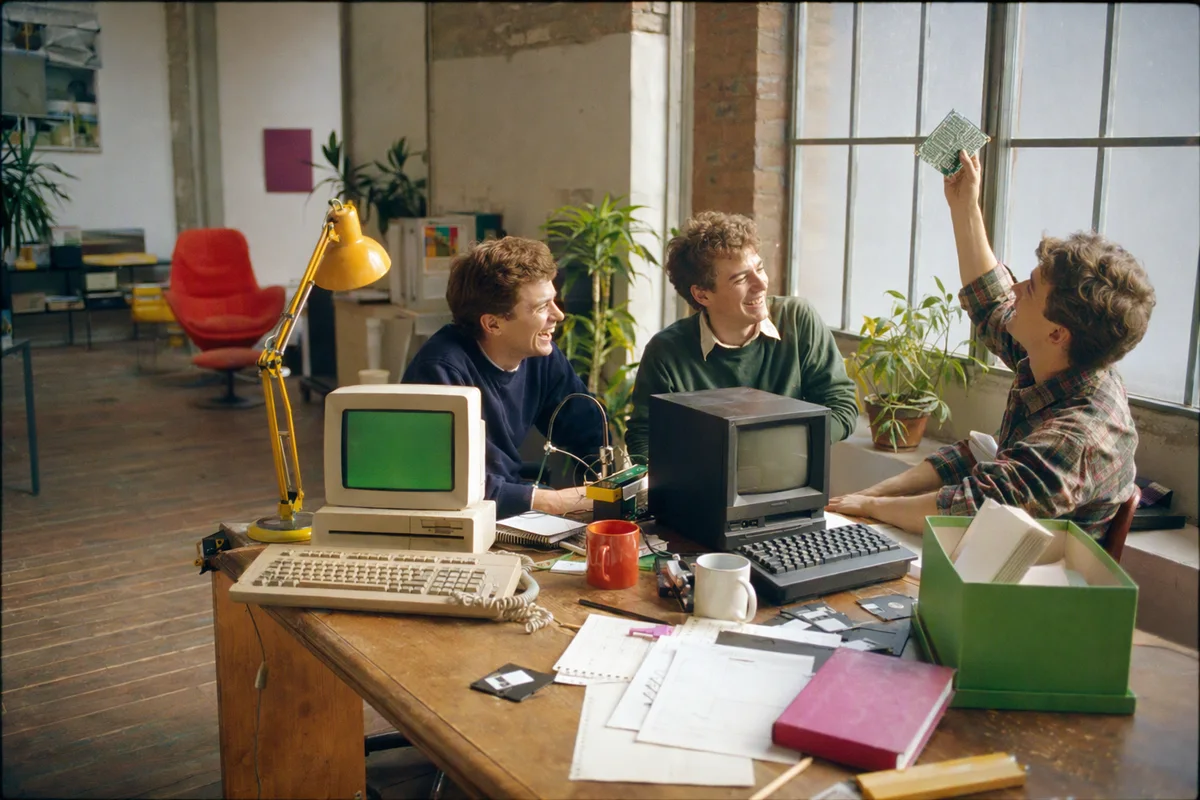
We build the companies we would want to invest in.
XUBRiS builds and backs technology companies on one thesis: the customer should own their systems, their data and their way out. Everything in the portfolio today is our own and pre-launch — we would rather say that plainly than dress it up as traction.
- Building before backing
- No fund open, no capital sought
- Portfolio is pre-revenue
What we think the market has mispriced
Three positions we are prepared to be wrong about, stated clearly enough that being wrong will be obvious.
Dependence is sold as convenience
The dominant model makes leaving expensive and calls it integration. It works until a customer becomes large enough to notice what the switching cost is worth to the vendor, and increasingly that realisation arrives earlier.
Concentration is now a business risk
A European company running its core operations inside three American platforms has a supply chain, not a stack. That has been an acceptable trade for a decade; the direction of both regulation and procurement suggests it is being repriced.
Open source is used as a marketing layer
Announced in a headline, contradicted in a licence file. The companies that treat it as an architecture rather than as positioning are a smaller group than the noise suggests, and they are the ones this thesis is about.
Build, back, hold
Three modes, in the order we actually use them.
- 01
Build
Most of what exists here started inside rather than as a cheque. A studio is an honest admission that the deal flow for this thesis is thinner than the thesis deserves, so we make some of it ourselves.
- 02
Back
Capital and operating help for founders building on the same terms — customers who can leave, infrastructure they choose, licences that mean what they say. Small, early, and in areas where we can be useful beyond the money.
- 03
Hold
No fund clock, because there is no fund. That removes the pressure to force an exit on somebody else's schedule, and it is the main reason we are structured this way rather than as a conventional vehicle.
Six things we check before anything else
Not a scorecard. The questions that decide whether a company fits this thesis at all.
The customer can leave
An exit that exists in the contract and in the architecture, not only in the licence. If leaving is theoretically possible but practically impossible, the business model is retention through cost, and that is what we are betting against.
It runs where the customer decides
Own infrastructure, own cloud account, or a provider they picked. A product that only works inside the vendor's hosting has made a choice about who owns the relationship.
The licence says what the marketing says
We read the licence first. Source-available with restrictions is a legitimate model and it is not open source, and companies that blur the two tend to blur other things.
A real regulatory read
AI rules, data protection, sector regulation — understood as constraints that shape the product rather than as a compliance page written afterwards. Optimism here is expensive later.
Small teams, unfashionable economics
Businesses that could be viable at a size their founders would be happy with, rather than only at a size that requires four more rounds to reach.
Founders who use it themselves
The strongest signal available before there are customers, and the one that most reliably predicts whether the second year of a product is any good.
This is not an offer
A page about investing should be unambiguous about what it is not. XUBRiS is not raising, is not offering securities or participation in any vehicle, and nothing here is investment advice or a solicitation. There is no fund open to outside capital, and if that changes it will be said plainly rather than implied.
- No fund is open. Nothing on this site is an invitation to invest in anything.
- No advice. Nothing here is a recommendation about any investment, and none of it is tailored to anybody.
- No performance to report. The portfolio is pre-revenue and pre-launch. There are no returns, because there have been no exits, because there have been no investments closed.
- No forward-looking promises. The thesis is a view about the world, not a projection. It may be wrong, which is the subject of one of the posts on the blog.

Why a studio rather than a fund
A fund would be the conventional structure, and for this thesis it would be the wrong one at this stage. The companies we want to exist mostly do not exist yet, and a fund with capital to deploy and a clock running is under pressure to find them anyway. Building the first few ourselves is slower, less scalable, and produces companies rather than deal memos.
- No deployment pressure. Nobody is waiting for capital to be put to work by a date.
- No forced exit. Holding something useful for a decade is allowed, which changes what is worth starting.
- Operating knowledge compounds. Running these systems ourselves is what makes the judgement about other people's worth anything.
- It scales badly, on purpose. A studio can build a few companies well. That is the constraint, and it is why the first external investments will be few and small.
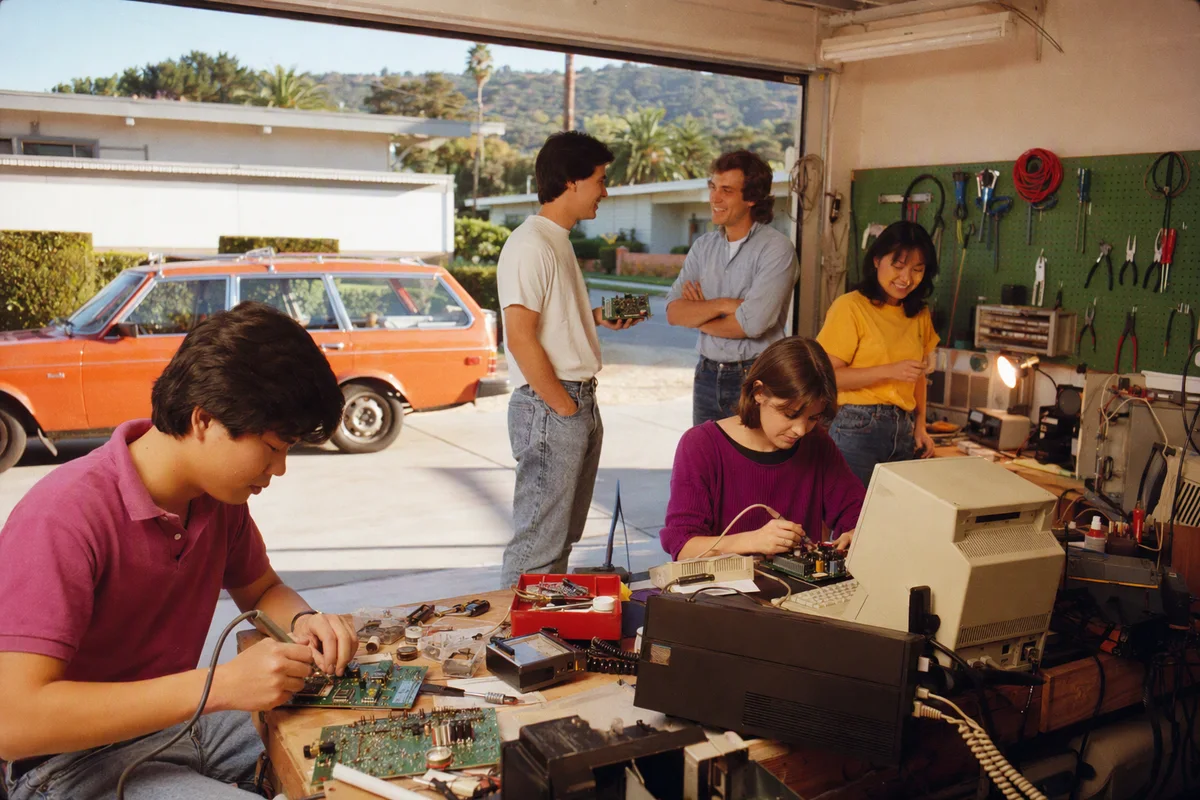
Nothing has launched and nothing has been invested
An investment firm with no investments should lead with that rather than bury it.
- Now
Building the first ventures
A small family of pre-launch companies built in-house on the same thesis: operating systems for business, autonomous agents, sovereign infrastructure, durable records. All pre-revenue, all public about being so.
- Next
The first external investments
Few, small, and in areas where the operating help is worth more than the cheque. When any of them close, they will be named here with what we actually did.
- Later
Whether this becomes a vehicle at all
An open question rather than a plan. If outside capital ever makes sense it will require a structure, a mandate and disclosure that do not exist today, and nothing will be implied before they do.
Frequently asked questions
What is XUBRiS in one sentence?
A venture studio that builds and backs sovereign technology companies — businesses whose customers own their systems, their data and their exit — starting with companies it builds itself.
Are you a fund?
No. There is no fund, no outside capital, and no vehicle open to investors. If that ever changes it will be stated explicitly, with a structure and a mandate, not hinted at on a homepage.
Can I pitch you?
Not yet, and we would rather say so than collect decks we cannot act on. The first external investment is still further away than the first launched venture, and taking pitches while unable to invest wastes the time of people who have very little of it.
What does sovereign actually mean here?
That the organisation using a system can run it, inspect it, move it and leave it without asking permission. It is a supply chain property rather than a political one, and it is the subject of one of the blog posts because the word is being used loosely by a lot of people.
What stage and what size?
Early, and small. Specifics would be a number invented to sound credible, and inventing one before the first investment closes is exactly the kind of thing this site is trying not to do.
Do you only invest in your own companies?
That is all there is today, which is why the portfolio is described as what it is. The intent is external investment, and until one closes the honest description remains studio rather than investor.
Are any of the portfolio companies live?
No. All of them are pre-launch and pre-revenue, and each of their sites says so on its own front page. If a page in this family ever claims customers it does not have, it will be a departure from how all of them are written.
Why the strange capitalisation?
The lowercase i is part of the wordmark. There is no deeper meaning, and inventing one would be the first small dishonesty on an otherwise careful page.
Come back when there is something to report
The waitlist form goes live soon. Until then the blog carries the thesis in ten pieces — including how to test an exit before you need one, and what would make us abandon the whole argument.
No form yet, no data collected, no capital sought — just come back.